




First Aid Training Course (08/06/2026 – 14/06/2026)
Accredited Erasmus+ project 2025-1-PL01-KA151-YOU-000303582
A seven-day training course was held in Oslo, bringing together 36 participants from Nicaragua, Poland, Turkey, Norway, Italy, and Belgium. Organised by the Polish Fundacja Rysy, #Cisneklate, the project had a clear mission: to ensure that every participant completed the programme with the knowledge and confidence to respond effectively in emergency situations.
The training combined both theoretical learning and practical exercises, providing participants with comprehensive preparation for real-life emergencies. To further enhance the learning experience, virtual reality (VR) technology was incorporated into the programme, allowing participants to practice emergency response in realistic, immersive scenarios.
Beyond the training sessions, participants had the opportunity to explore the city of Oslo during the evenings, encouraging cultural exchange, networking, and stronger connections between participants from different countries.
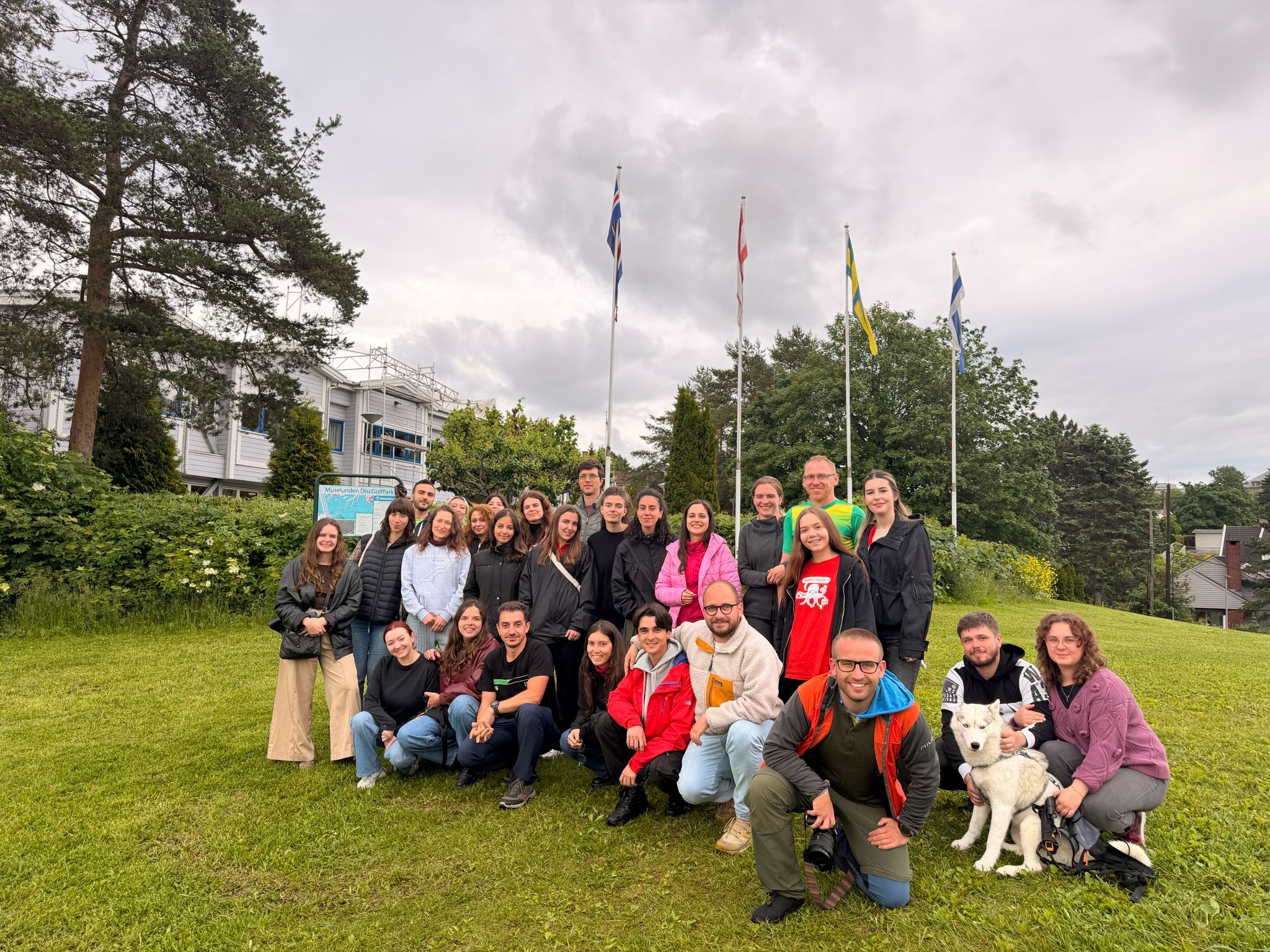
Monday 08/06/2026: Introductions
On 8 June, all participants arrived at the hostel where the training programme would take place. Following a shared welcome dinner, the group took part in a series of icebreaker activities designed to help participants get to know one another and build a positive team atmosphere.
The evening concluded with an introduction to the programme and a briefing on the schedule for the following day, marking the start of the intensive training course.
Tuesday 09/06/2026: First day of training
The training began with a theoretical session on basic life support, during which participants were introduced to the DRSABC method, a structured approach for responding safely and effectively in emergency situations.
The DRSABC method consists of the following steps:
- Danger – checking the scene for potential hazards
- Response – assessing whether the person is conscious
- Send for help – calling the emergency services (112)
- Airway – ensuring that the airway is open
- Breathing – checking whether the person is breathing normally
- CPR – beginning cardiopulmonary resuscitation if necessary
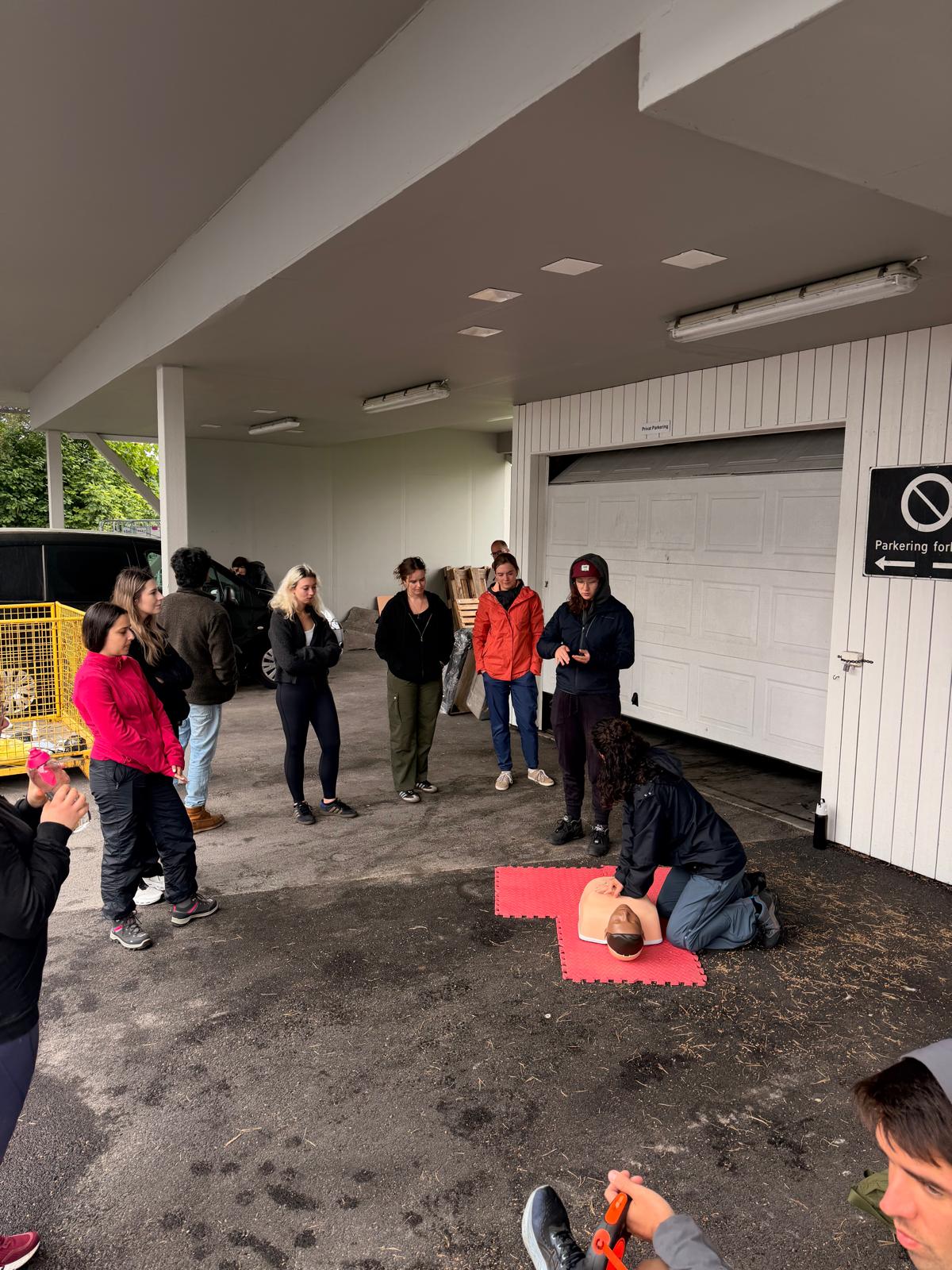
The remainder of the day focused on practical exercises, allowing participants to apply the techniques they had learned and develop confidence in performing CPR and other essential emergency response procedures.
Wednesday 10/06/2026
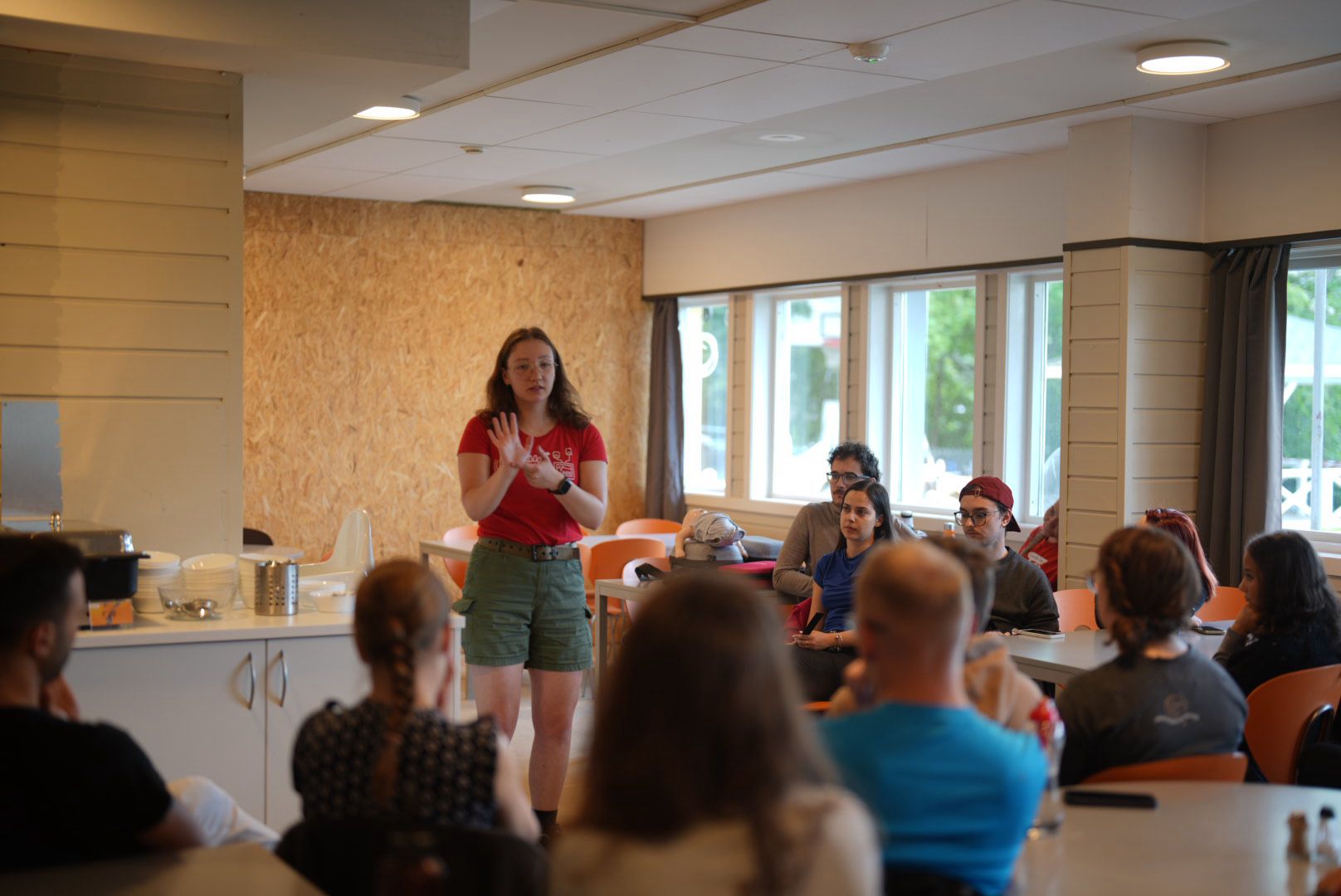
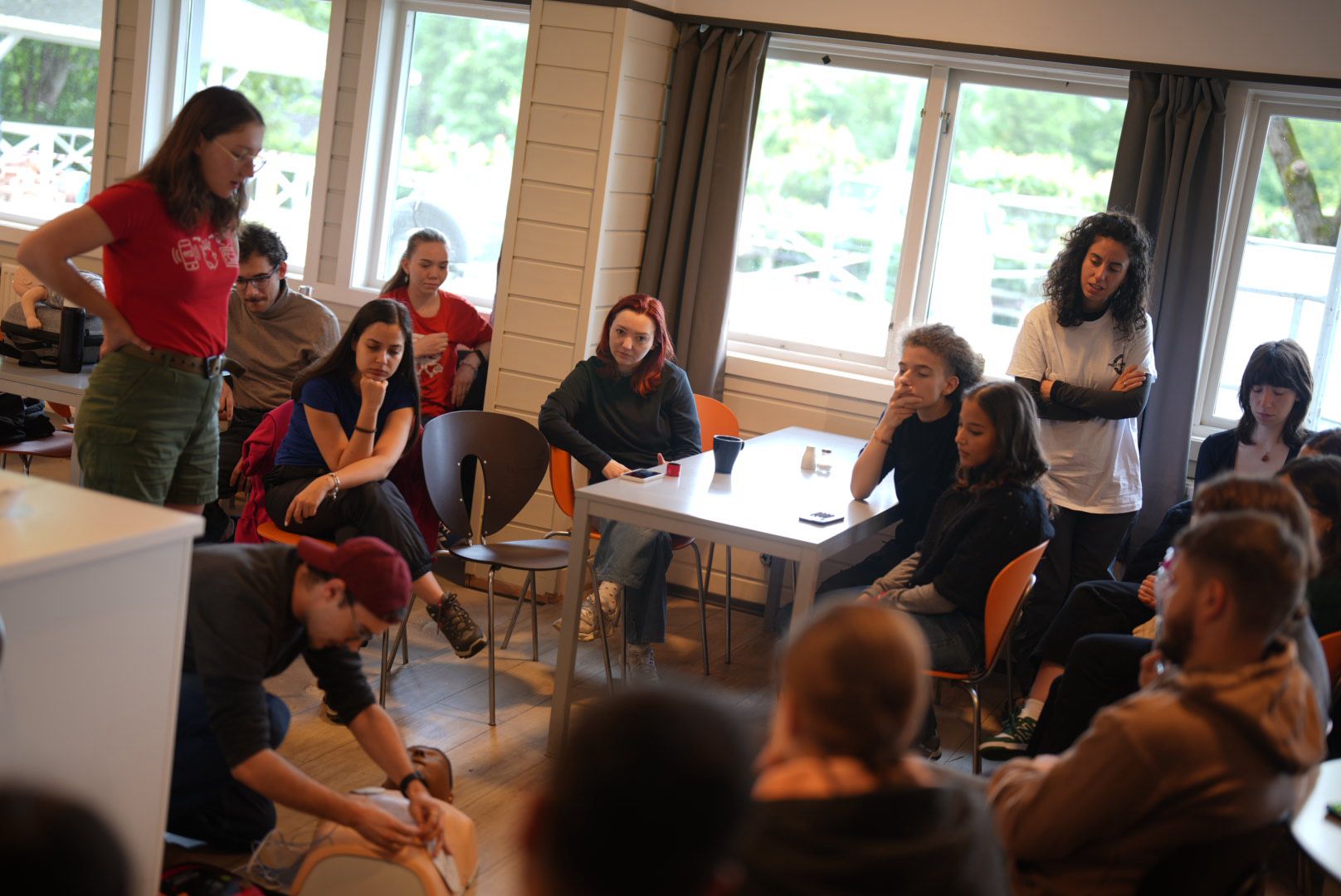
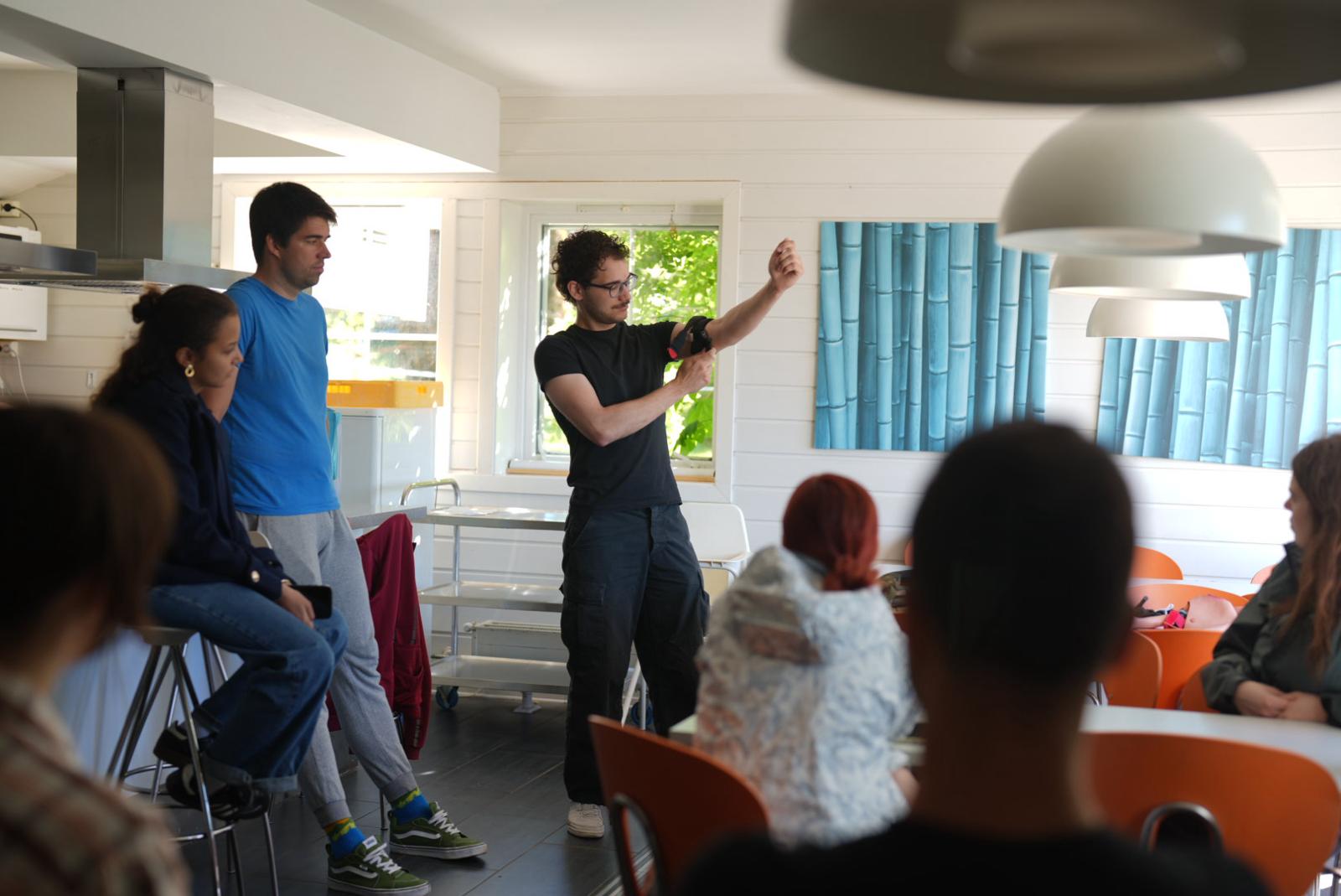
The focus of this training day shifted to the treatment of open wounds, sprains, fractures, and a range of common medical conditions, including epilepsy, diabetes, and severe allergic reactions.
Participants were divided into smaller groups and followed a rotation system, allowing everyone to spend sufficient time exploring each topic in detail. Every session combined theoretical instruction with practical exercises, ensuring that participants not only understood the underlying principles but also gained the confidence to apply their knowledge effectively in real-life emergency situations.
Thursday 11/06/2026
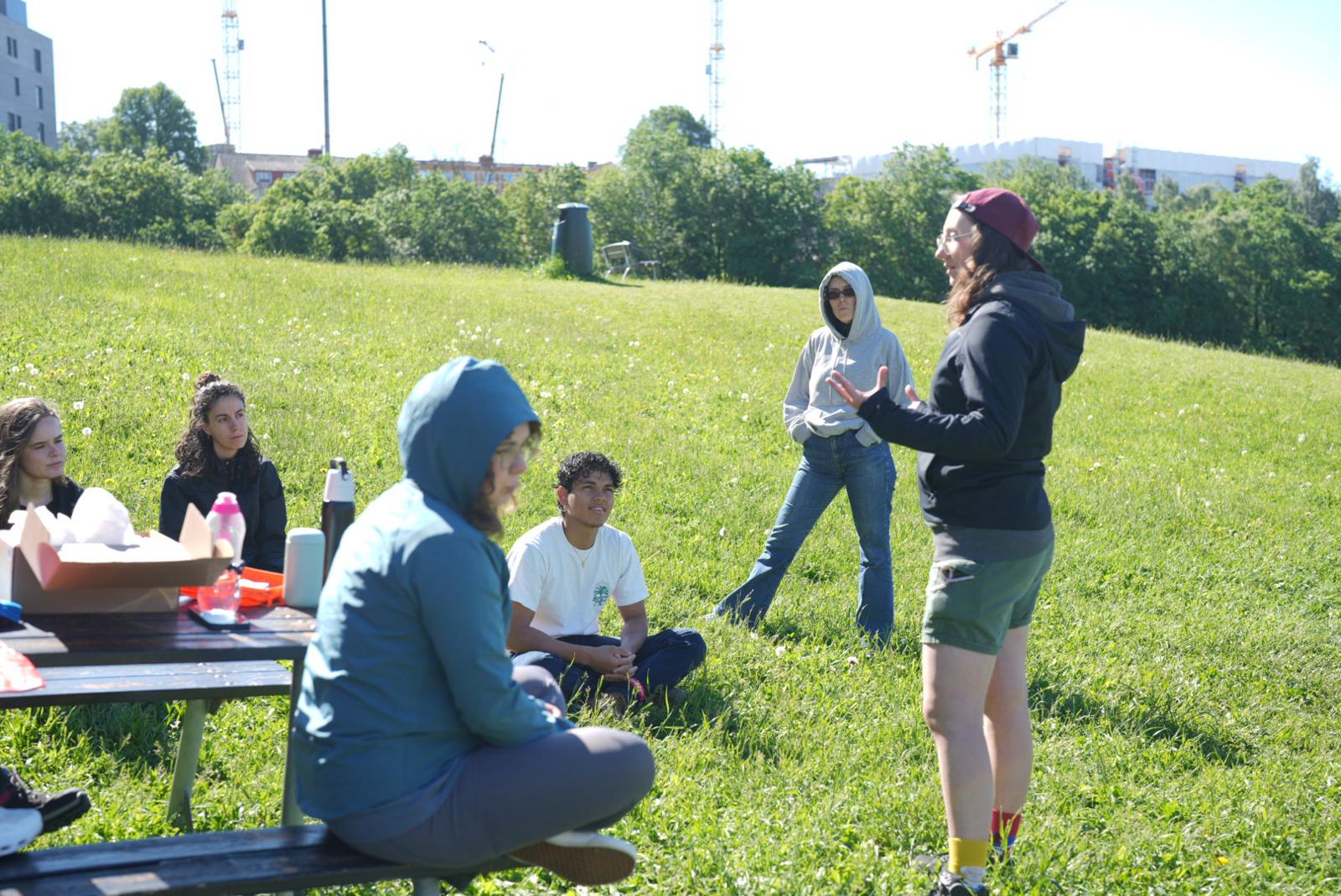
This training day was dedicated primarily to practical application. Participants worked in small groups, taking part in realistic emergency scenarios in which some members acted as casualties while others responded as first aid providers.
Throughout each exercise, the trainers closely observed the participants' actions, providing guidance, feedback, and corrections where necessary. These scenario-based simulations played a crucial role in transforming theoretical knowledge into practical skills, helping participants build confidence and prepare for real-life emergency situations.
Friday 12/06/2026
This training day focused on first aid for pets, introducing participants to the essential skills needed to respond to emergencies involving animals.
The day began with a theoretical session covering a range of common emergency situations, including cardiopulmonary resuscitation (CPR) for pets, choking, heat stroke, recognising signs of pain, and other conditions that require immediate attention. Participants learned how to assess an animal's condition, provide appropriate first aid, and act quickly while awaiting professional veterinary care.
The theoretical knowledge provided a solid foundation for the practical exercises that followed, allowing participants to apply the techniques in realistic scenarios and gain confidence in responding to emergencies involving pets.
Saturday 13/06/2026 and Sunday 14/06/2026
The final two days of the project were dedicated to group assignments, allowing participants to consolidate the knowledge and skills they had gained throughout the training.
Working in pairs, participants created an educational first aid video and designed an informative poster on a first aid topic of their choice. These assignments encouraged teamwork, creativity, and effective communication while reinforcing the key concepts covered during the course.